
The Pitch Room
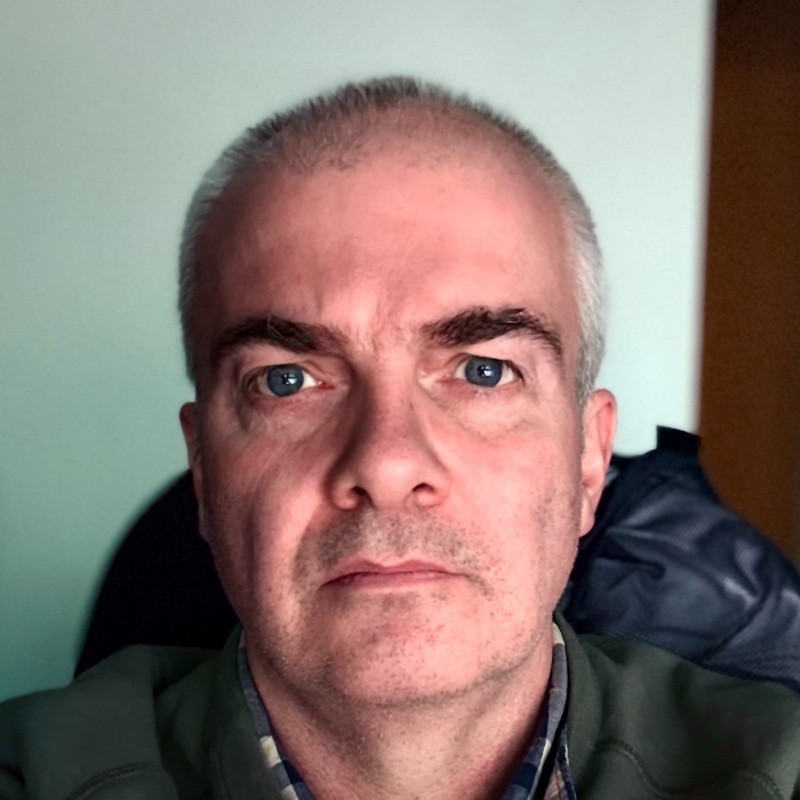
Neil McKeown
Freelance PR Consultant · Independent
20 years in PR · 18 months freelance
“Outside of politics or actual crises, interviews can be quite friendly — and are a great opportunity to position your client as an expert.”
Key takeaways
Before the interview
Ask the journalist for a general steer
Brief the client
Current news + practice questions
On the day
Speak slowly, don't fill silence
Golden rule
Don't guess — promise to follow up
Neil McKeown is a freelance PR consultant with 20 years' experience across agency and consultancy work. He went independent 18 months ago.
Here, he shares how to reframe client anxiety around interviews — and the practical preparation tips that turn a reluctant client into a confident, well-briefed spokesperson.
“Outside of politics or actual crises, interviews can be quite friendly — and are a great opportunity to position your client as an expert.”
A lot of PRs bellyache about their clients not wanting to do interviews. It's a familiar conversation: the client is wary, they don't know what they'll be asked, they worry about saying the wrong thing. And in some cases, that caution is warranted.
But outside of politics or actual crises, most interviews are quite friendly. Journalists are usually looking for a subject matter expert to add colour and authority to a piece — they want your client to come across well. That's worth remembering.
More importantly, an interview is one of the best opportunities your client has to position themselves as an expert in their field. It's earned column inches or airtime you didn't have to pitch for. Helping them see that changes the whole dynamic.
“You aren't asking to see any questions, rather a feeler so your client can prepare, which speeds things up for everyone.”
The most important thing you can do before any interview is prepare properly — both yourself and your client.
Start by asking the journalist what sort of thing they're after. You're not requesting questions in advance (that's usually a non-starter), but a general steer. What angle are they going for? Is it a news piece, a feature, a comment slot? Getting that context helps your client prepare, and it speeds the whole thing up for the journalist too.
Then look at what's happening in the news right now that's relevant to your client's area. Journalists will often bring in current events and your client should be able to respond to them. A quick brief on the landscape goes a long way.
Run through practice questions — especially the difficult ones. The tricky question in a rehearsal is far better than a surprise during the actual interview.
Also find out if anyone else is on the interview. A panel format is very different from a one-to-one, and knowing in advance means your client can prepare accordingly.
“Speak slowly. The adrenaline means you'll think you're speaking normally.”
These are the tips I give to clients before interviews. They're mainly aimed at radio and podcasts but apply more broadly, and assume your client is already comfortable with the show, the interviewer and the general angle.
- Have a drink of water handy
- Same with a notepad and pen
- Note everyone's name — but only use them if you're certain
- Don't fill the silence. Journalists do this deliberately, knowing the other person will generally speak first. If it goes on for ages, politely ask if there was anything else
- Speak slowly. The adrenaline means you'll think you're speaking normally, but you'll be racing
- Don't guess. If you don't know something, it's better to say you'll get back to them than to blunder on
- Have some figures handy — so many politicians get caught out by not knowing basic numbers
- Know your stuff: key points, facts, key messages. It's fine to check figures (see above)
- For recorded interviews, repeating key messages gives you more chance of making the edit — but don't overdo it (remember Theresa May's "strong and stable"?)
- Smile — people really can hear it. Vernon Kay and football commentator John Murray are great examples
- Don't make a joke. They rarely work
The goal isn't to turn your client into a media professional overnight. It's to give them enough structure that they feel confident walking in — and enough practical tools that they can recover if something doesn't go to plan.
About the contributor
Neil McKeown
Freelance PR Consultant · 20 years in PR
Neil McKeown is a freelance PR consultant with two decades of experience. He went independent 18 months ago and works with clients across a range of sectors, helping them communicate with confidence and clarity — including getting the most out of media opportunities.
Put these tips into practice
Know who you're pitching for an interview
Neil's first step is understanding the journalist and the angle. PressReacher gives you a searchable database of 2M+ journalists so you can target the right people — and walk into every conversation prepared.
 Start finding journalists
More from The Pitch Room
View all
September 2026
Marilize Jacobs
Founder · VocalCord PR
September 2026
Nicole Franco
Head of Digital PR, AI Innovation · Fractl
August 2026
Tanya Gains
Freelance PR Consultant · Tanya Marie PR
June 2026
Shakira Sacks
Founder & Senior PR Consultant · Shakira Sacks PR

May 2026
Leah Daly
Digital PR Manager · fatjoe
May 2026
Gabriella Lucy
Founder & Senior PR Consultant · Gabriella Lucy PR
May 2026
Matt Seabridge
Freelance Digital PR Specialist · Digital PR Tips
May 2026
Lora Thornton
Head of PR · Flaunt Digital
April 2026
Grace Tranter
Digital PR Strategist · Digitaloft
April 2026
Emily Radford
PR & Outreach Specialist · Colewood Digital
April 2026
Charlotte McManus
Digital PR Manager · Digitaloft
April 2026
Emma Streets
Director · Streets PR
April 2026
Jake Setterfield
Director · Fieldcraft Communications
April 2026
Becky Lindsay
Digital PR Executive · Digitaloft

May 2026
Ruby Robinson
Senior Digital PR Executive · Digitaloft
May 2026
Mady Lanni
PR Manager · Manychat
June 2026
Rob Smith
Digital PR Executive · Pure Digital PR