
Skip to content

20% off · BLACKFRIYAY

View offer
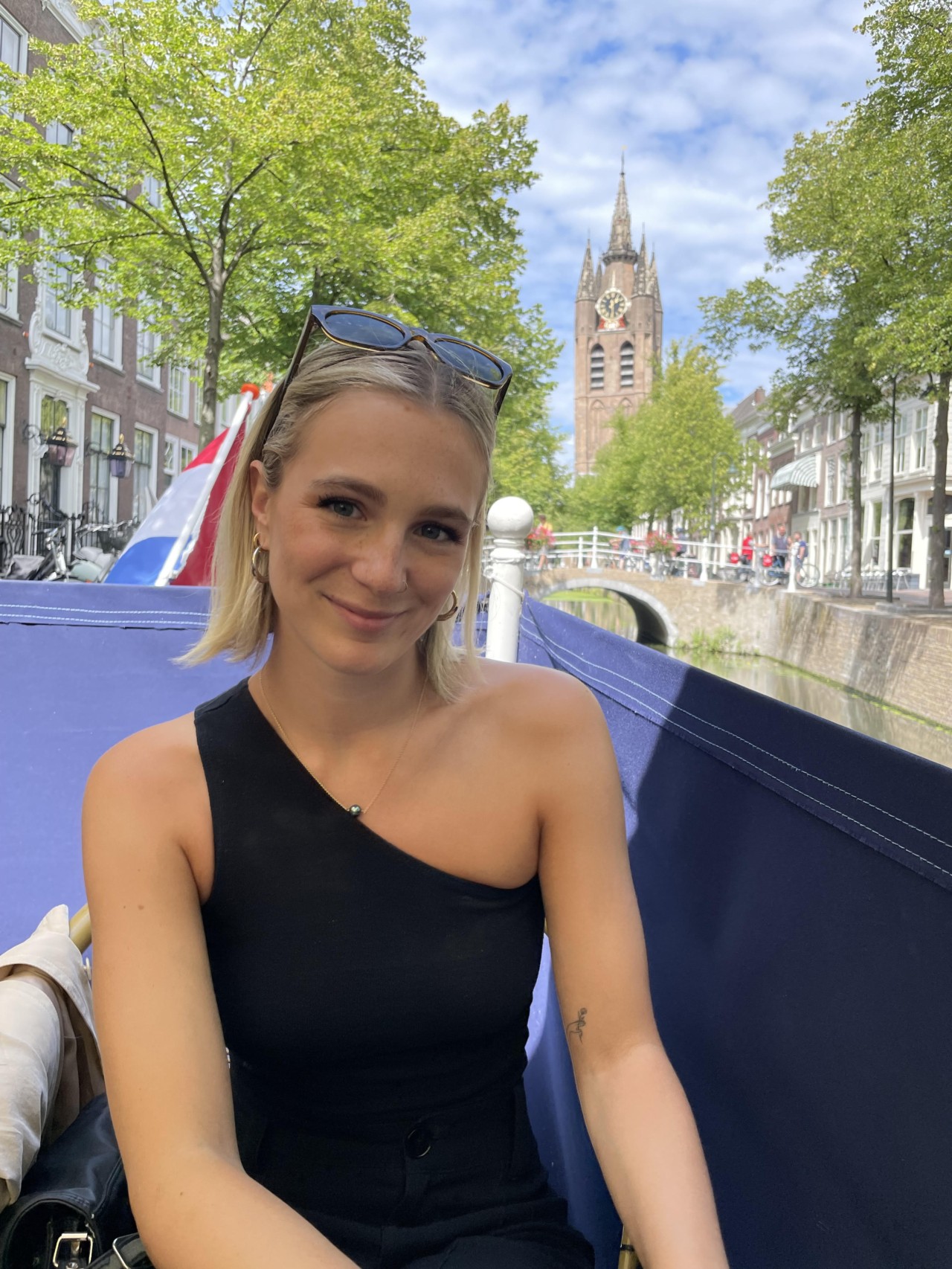
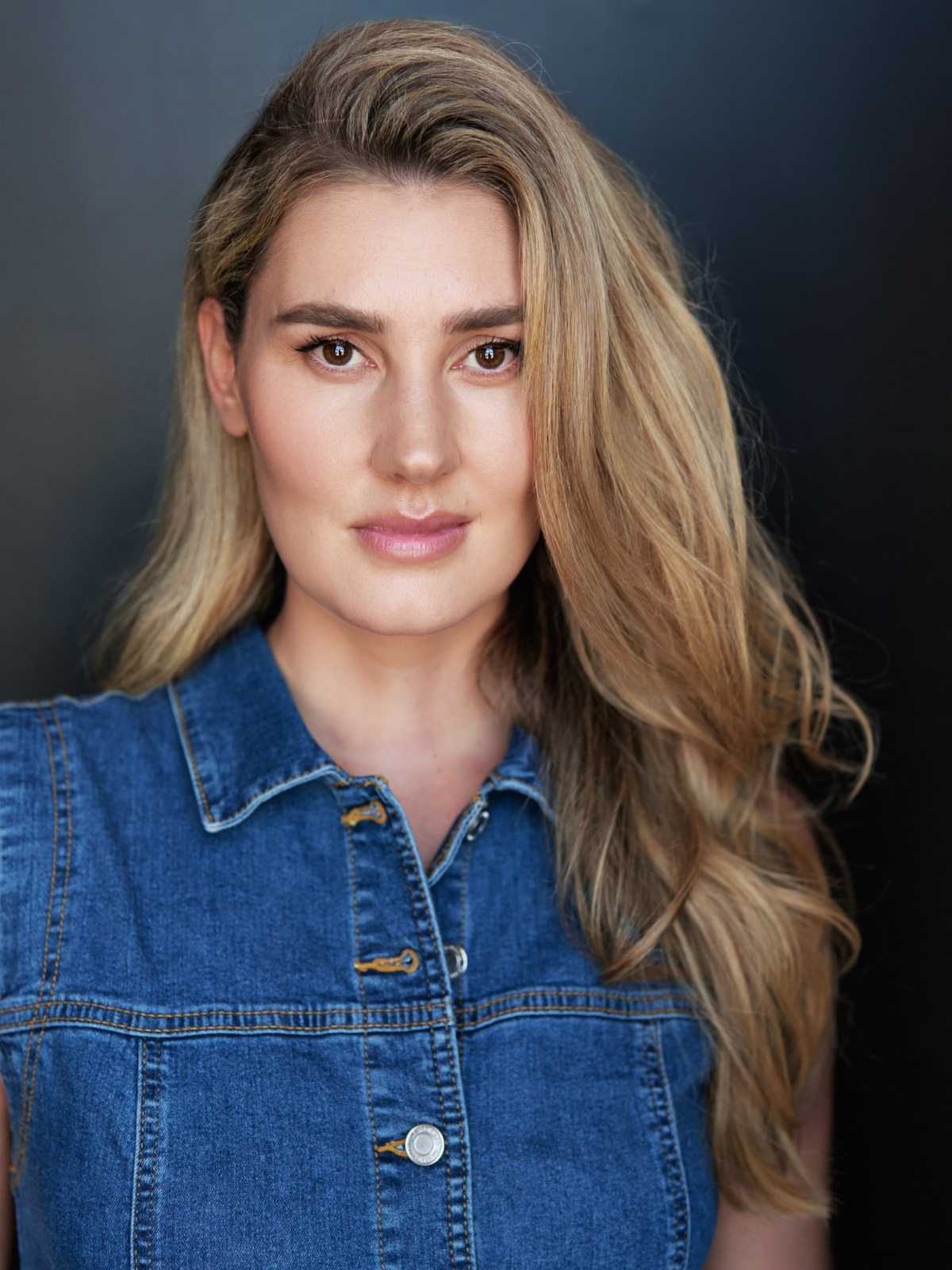
Hannah Vanderheide, freelance health writer
Women's HealthWellness MythsChronic IllnessHealth Tech

Journalist Interview

Hannah Vanderheide

Freelance Health Writer · Body+Soul & The Age

Also SMH, Australian Women's Weekly, Marie Claire & Mamamia · Interviewed by Lila · August 2026

“If something isn't addressed to me personally, I'll rarely engage.”

Key takeaways

Interested in

Science behind the hype

Needs more coverage

Women's 'normal' conditions

Overhyped

Cure-alls & "maxxing"

Subject lines

Curiosity gap + my work

Biggest mistake

Mass-blast pitches

Exclusivity

Nice, freshness wins

Introduction

Hannah Vanderheide is a freelance health and lifestyle journalist whose bylines regularly land among the most-read stories at The Age, Sydney Morning Herald, Body+Soul, Australian Women's Weekly, Marie Claire and Mamamia. An eating disorder survivor and rare disease advocate, she came to health writing through lived experience — and brings a sharp scepticism for wellness hype with her.

We asked her which women's health stories still get overlooked, which trends she thinks are overhyped, and what PRs keep getting wrong when they pitch health features.

Beat & Topics
Lila

Lila, PressReacher

What health topics are you most interested in covering at the moment?

Hannah Vanderheide

I am always on the lookout for stories that allow me to unpack wellness fads and present the science behind the hype. I'm also fascinated by the intersection of tech on our wellbeing and how AI is accelerating in the wellness space.

We're sitting in a really interesting moment where we have access to vast amounts of health information, with much of it being served to us in short reels and TikTok clips. This can mean greater awareness on important women's health topics (menopause, matrescence, autoimmune diseases and women's cancers) but it also means a lot of misinformation (and often straight up disinformation) has a thriving ecosystem in the palms of our hands.
“Unpack wellness fads and present the science behind the hype.”
Hannah Vanderheide
Lila

Lila, PressReacher

Are there any women's health issues you feel deserve more media attention right now?

Hannah Vanderheide

I want to continue seeing more coverage of the conditions and life stages that women are routinely told are "normal" and expected to endure. Things like endometriosis, adenomyosis, perimenopause, menopause and autoimmune diseases still experience significant delays in diagnosis and treatment.

I'd also love to see more nuanced reporting around reproductive health. Topics like HPV, fertility, pregnancy loss, postpartum recovery and menstrual health impact millions of women, yet many still feel poorly understood and under-discussed.

I'm particularly interested in the intersection of women's health and medical misogyny, particularly where women report feeling dismissed, misdiagnosed or unheard within the healthcare system.

“Conditions women are told are "normal" still face huge delays in diagnosis.”
Hannah Vanderheide
Trends & Myths
Lila

Lila, PressReacher

What health trends do you think are genuinely overhyped?

Hannah Vanderheide

Oh boy, the list is long. I think the biggest stem from a misunderstanding and misappropriation of scientific/medical sounding language. Proposed supplements or treatments for 'conditions' like adrenal fatigue and leaky gut syndrome, or supplement programs that promise to ease menopause symptoms when we don't have reliable data to say they can. Then there's anything to do with "maxxing" at the moment. A lot of the current health trends ask us to maximise every aspect of our wellbeing and I think it could just lead to the opposite.

“A lot of "maxxing" trends could just lead to the opposite.”
Hannah Vanderheide
Lila

Lila, PressReacher

Are there any health myths or misconceptions you wish more experts would address?

Hannah Vanderheide

I wish we could get a bit more understanding out there about the tactics used by brands or practitioners who promise to cure all or a wide-ranging list of symptoms or diseases. For example, a supplement that claims to fix your sleep, your gut health, your chronic nasal congestion and your fungal infection is likely a load of rubbish.

I also hope that we can continue to address some of the larger systemic issues impacting our health and wellbeing rather than telling people their chronic diseases are a result of their own poor choices.

“A supplement that claims to fix everything is likely a load of rubbish.”
Hannah Vanderheide
Pitching Hannah
Lila

Lila, PressReacher

Are there particular subject line styles that make you more likely to open an email?

Hannah Vanderheide

I open every email I get, but I'm always intrigued by something presenting a bit of a curiosity gap. Asking a question like "could this change the way we do X?" makes me want to find out more.

I also really appreciate it when they're clearly familiar with my work/areas of interest, so starting off by mentioning a recent story they've seen of mine is great because it means the topic is very likely to be something in my area of interest.

“A curiosity gap — "could this change the way we do X?" — makes me want to find out more.”
Hannah Vanderheide
Lila

Lila, PressReacher

What are the most common mistakes PRs make when pitching health stories?

Hannah Vanderheide

If something isn't addressed to me personally, I'll rarely engage. It's clear when a pitch has been sent out to a big list of writers/editors, and as a freelancer that doesn't give me much of an edge when pitching stories to publications that might already be covering it in-house.

“If something isn't addressed to me personally, I'll rarely engage.”
Hannah Vanderheide
Lila

Lila, PressReacher

How important is exclusivity when considering a health feature?

Hannah Vanderheide

I love to know when something is being brought directly to me first (and I will always try and get back to them if it's not something I'll be able to cover). This way I know if I'm bringing an angle to one of my editors, they won't have just heard it in a pitch meeting in-house. But features draw on trends and human-centered stories, so exclusivity is not a must. I just need to make sure I'm always bringing something fresh to the conversation, so anything that helps with that is a win.

“Exclusivity is not a must — freshness is.”
Hannah Vanderheide
What Performs
Lila

Lila, PressReacher

What kinds of seasonal health stories perform particularly well with your readers?

Hannah Vanderheide

Stories that tap into a timely health concern while offering practical, evidence-based advice tend to perform well. In summer, that might be topics like heat, hydration, sleep disruption and skin health. In winter, readers are often looking for guidance around immunity, respiratory illness, mental wellbeing and staying active when motivation dips.

That said, some of the strongest-performing stories aren't always tied to a season. Readers are consistently interested in healthy ageing, sleep, mental health, chronic illness, preventative health and myth-busting pieces that help them make sense of conflicting advice online.

“Timely concern + practical, evidence-based advice.”
Hannah Vanderheide
Hannah Vanderheide

About the journalist

Hannah Vanderheide

Freelance Health Writer · Body+Soul, The Age & SMH

Hannah is a freelance journalist, copywriter and actor who writes about the sensible side of health — unpacking wellness fads, chronic illness, women's health and the systemic issues behind them. Her work appears across The Age, Sydney Morning Herald, Body+Soul, Australian Women's Weekly, Marie Claire, Mamamia, ABC Lifestyle, Escape and Harper's Bazaar. She is also co-authoring a book with Jelena Dokic for Penguin Random House.

Expertise Areas

Women's healthWellness myth-bustingChronic illnessMenopause & perimenopauseMental wellbeingAI & health techReproductive healthHealthy ageing

Want to pitch Hannah?

Find health journalists who actually cover your beat

PressReacher gives you verified contacts for health and lifestyle journalists — so your pitch lands with someone who writes about the science, not the hype.